


تسير في متحف مزدحم بعد ظهر يوم السبت وستفهم المشكلة على الفور عشرات مجموعات الجولات تتحرك في نفس القاعات كل دليل يتحدث إلى جهاز إرسالكل مجموعة ترتدي أجهزة استقبال موجهة إلى قناة مختلفةفي هذه البيئة يعمل نظام دليل سياحي لاسلكي إما نظيفاً وموثوقاًبدون انقطاع أو فشل واضح، أمام الزوار كان من المفترض أن تخدم.
جودة نقل الإشارة هي أهم مقياس واحدنظام الدليل السياحيكل شيء آخر - عمر البطارية، عامل الشكل، عدد القنوات - هو ثانوي ما إذا كان المستمع يمكن أن يسمع المرشد بوضوح في الجزء الخلفي من المجموعة، خلف الزاوية، أو غرفة واحدة.هذه المقالة تفصل القرارات الهندسية التي تميز الأنظمة الكافية عن النظم الممتازة، وتشرح لماذا المشترين تعامل بشكل متزايد تحسين الإشارة كمواصفات غير قابلة للتفاوض.
إنّ إرسال الصوت اللاسلكي يبدو بسيطاً: ميكروفون يلتقط الصوت، جهاز إرسال يقوم بتشفيره وتبثه، وأجهزة الاستقبال تقوم بتفكيكه وتشغيله.بيئة الراديو داخل أي مكان مزدحم فوضى. موجهات الواي فاي، الهواتف الذكية، سماعات بلوتوث، أجهزة مراقبة الأطفال، وغيرها من أنظمة المرشدين السياحيين جميعها تتشارك في نفس الطيف غير المرخص. والنتيجة هي المنافسة المستمرة للمساحة الهوائية النظيفة.
كان النهج التقليدي للعمل في نطاق 2.4 غيغاهرتز المشترك بين شبكات الواي فاي كافياً قبل عقد من الزمن. اليوم، هذه النطاقات مزدحمة جداً في الأماكن العامة، لدرجة أن العديد من الأنظمة تعاني من الصراخ السميعي.,انقطاع لحظي، وقيود مُحبطة على النطاق أقل بكثير من مواصفاتها المُعَدّة.إنها النتيجة المتوقعة لوضع جهاز في بيئة لاسلكية لم يتوقع مصممه.
"الفرق بين المدى المحدد لـ150 متر و المدى المُقدّم لـ150 متر يعتمد بالكامل على ما يُبث في الغرفة"
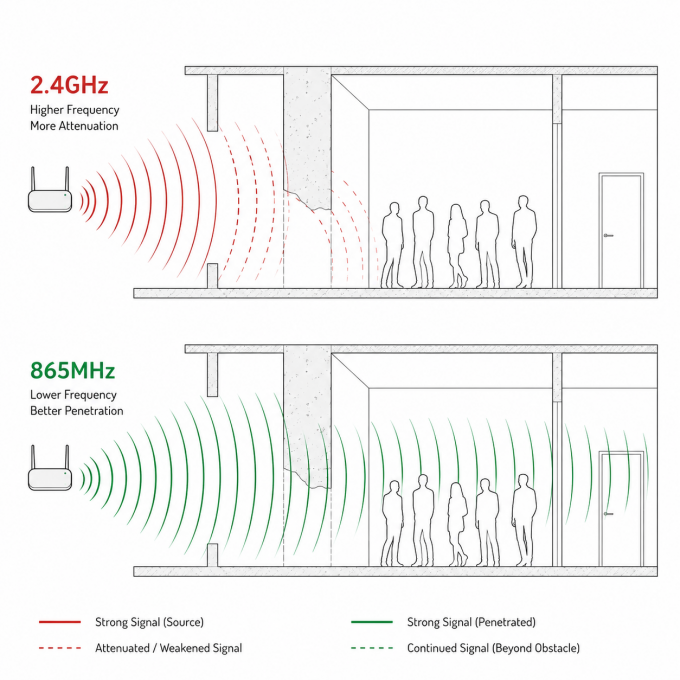
القرار الأكثر تأثيراً في تصميم النظام هو اختيار تردد التشغيل.تعمل أنظمة الدليل السياحي المهنية الحديثة بشكل متزايد في نطاق 865~880 ميغاهرتز.4 غيغاهرتز ويحمل مزايا عملية ذات مغزى.
الإشارات ذات الترددات المنخفضة تسافر لمسافة أطول بقوة متكافئة. كما أنها تتباين بسهولة أكبر حول العقباتحشود من الناس التي تهم بشكل كبير في بيئات المتاحف والمعارض الحقيقيةجهاز استقبال يرتدي على مستوى الخصر في مجموعة من 30 زائرا يقفون قريبين من بعضهم البعض سوف يرى جودة إشارة أفضل بشكل كبير على 865 ميغاهرتز أكثر من على 2.4 جيجاهرتزببساطة لأن الترددات المنخفضة تتحرك في العقبات الجسدية بشكل أكثر فعالية.
ومع ذلك ، فإن نطاق التردد وحده لا يحدد الأداء. تصميم الدوائر ، هندسة الهوائية ، وإدارة القناة كلها تلعب أدوار.نظام 4 غيغاهرتز سيتفوق على نظام UHF سيء التصميماختيار التردد يحدد السقف، كل شيء آخر يحدد مدى قرب المنتج منه.
دليل سياحي لاسلكي من قناة واحدة غير صالح للاستخدام في أي بيئة تعمل فيها أكثر من مجموعة واحدة في وقت واحد.توفر الأنظمة المهنية قنوات قابلة للاختيار عادة 100 أو أكثر يسمح لمجموعات جولة متعددة بالعمل في نفس المساحة المادية دون التدخل مع بعضها البعض.
الفائدة العملية تتجاوز الفصل البسيط لأن القنوات المختلفة تحتليمكن إعادة ضبط النظام الذي يعاني من التداخل على قناة واحدة بسرعة دون قطع المجموعات المجاورةيمكن للدليل الذي يكتشف صوتًا متقطعًا في بداية الجولة أن يغير القنوات في ثوانٍ، بدلاً من معالجة مشاكل الأجهزة أمام الزوار الذين ينتظرون.
| السمة | نظام المستوى الابتدائي | النظام المهني |
|---|---|---|
| تردد العمل | 2.4 غيغاهرتز (مشتركة مع Wi-Fi) | 865~880 ميغاهرتز (أقل ازدحامًا) |
| القنوات المتاحة | 1020 ثابتة | 100 قابل للتعديل |
| نطاق ناقلة | 50×80 م (العالم الحقيقي) | 150~200 متر (مقدر ويتم تسليمها) |
| تصميم مكافحة التداخل | تصفية أساسية | معالجة الدوائر المخصصة |
| التزاوج في وقت واحد | محدودة (3050 جهاز استقبال) | غير محدود واحد إلى العديد من |
اختيار نطاق ترددي نظيف يقلل من تعرض التداخل، لكنه لا يزيل ذلك. Professional-grade systems pair thoughtful frequency selection with dedicated anti-interference circuit processing — hardware-level filtering designed to distinguish the guide's voice signal from background RF noise and reject the latter before it reaches the audio output stage.
التأثير العملي مذهل في البيئات الكهرومغناطيسية الكثيفةموقع أثري مزدحم أنظمة مستوى الدخول التي تفتقر إلى هذه المعالجة تنتج القطع الأثرية السمعية، بينما توفر الأنظمة المهندسية بشكل جيد نفس الصوت الواضح الذي توفره في غرفة فارغة. هذه ليست لغة تسويقية؛الفرق الواضح الذي يجب على أي مشتر جاد التحقق منه في الظروف الميدانية قبل الالتزام بطلب كبير.
من المهم أيضًا معايرة عتبة القمع وهي الآلية التي تحدد متى يعامل المستقبل RF الواردة كإشارة مقابل الضوضاء.متساهلة جداًوالضوضاء تنزف من خلاله، والضوضاء المعدلة بشكل صحيح تكون غير مرئية للمستمع،
يتم قياس أرقام النطاق على أوراق المواصفات في جميع الأحيان تقريبًا في ظروف مثالية في الهواء الطلق - حقل ، غرفة مترددة ، موقف للسيارات.المدى الفعلي الذي تم تسليمه داخل مبنى تاريخي يحيط به جدران حجرية، قاعة المعارض ذات الإطار الفولاذي، أو حديقة المناظر الطبيعية ذات الغطاء النباتي الكثيف ستكون أقصر بكثير.
عند تقييم إدعاءات النطاق، يستحق طرح ثلاثة أسئلة. أولاً، هل يتم قياس الرقم في جهاز الإرسال أم جهاز الاستقبال؟يمكن أن يكون للمرسلات والمستقبلات في نفس النظام نطاقات محددة مختلفةثانيًا، ما هي جودة الإشارة في النطاق المحدد هل يقوم المصنع بنشر بيانات الاختبار الميداني الحقيقي؟أو فقط نتائج اختبار المقاعد؟
الأنظمة ذات نطاقات الاستقبال المسموح بها من 200 متراً ، يتم قياسها في ظل ظروف خاضعة للرقابة ، عادة ما توفر أداءً موثوقًا عند 80-120 متر في بيئة داخلية واقعية.والتي تكفي لأي سيناريو للجولاتالنظم التي تم تصنيفها على بعد 50 متر فقط في ظل الظروف المثالية غالبا ما تكافح للحفاظ على صوت واضح عبر معرض متوسط الحجم.
أحد القيود الشائعة في الأنظمة المنخفضة التكلفة هو الحد الأقصى لعدد المستقبلات التي يمكن أن تتزاوج في وقت واحد مع جهاز إرسال واحد. هذا مهم بشكل تشغيلي عندما تختلف أحجام المجموعات ،عندما تحتاج إلى إبقاء الأجهزة الاحتياطية جاهزة، أو عندما يقوم مكان بتمرير لغات متعددة من جهاز إرسال واحد.
يزيل الاقتران غير المحدود من واحد إلى العديد من الإرسال حيث يدعم جهاز إرسال واحد أي عدد من المستقبلات على نفس القناة هذا القيود بالكامل. من منظور الإشارة ، فهو مهم أيضًا:نهج النقل الذي يدعم الاقتران غير المحدود (بث)، بدلاً من نقطة إلى نقطة أو مصافحة يد معترف بها) تميل إلى أن تكون أكثر قوة في ظل عدد متغير من المستقبلات ، لأن قوة الإشارة غير مقسمة بين الأجهزة المزدوجة.
عادةً ما لا يتم مناقشة عمر البطارية كموضوع لتحسين الإشارة ، ولكن الاتصال حقيقي. يتطلب نقل RF عند طاقة مستقرة طاقة ثابتة من مصدر الطاقة.عندما تستنفد البطاريات و ينخفض الجهد، بعض أجهزة الإرسال تقلل من قوة الإخراج للبقاء ضمن حدود التيار المسموح به ويتراجع النطاق وجودة الإشارة معها.
توفر الأنظمة التي تم تصنيفها بـ 7~10 ساعات من التشغيل لكل شحنة هامشًا مفيدًا لجولات يوم كامل دون فرض رسوم في منتصف الجلسة.ابحث عن أنظمة تحافظ على قوة إخراج ثابتة خلال دورة التفريغ الكاملة بدلاً من التدهور تدريجياًجهاز إرسال يعمل حسب المواصفات خلال الساعات الستة الأولى ويكافح خلال السابعة هو أقل موثوقية من عمر البطارية المسموح بها
متطلبات تحسين الإشارة ليست موحدة في جميع حالات الاستخدام.يضع متحف مع جدران صخرة سميكة ومجموعات سياحية متزامنة متعددة مطالب مختلفة على النظام من زيارة مصنع الشركة على طول طريق المشي المحددفهم البيئة الصوتية والكهرومغناطيسية لحالة الاستخدام الأساسية هو نقطة البداية لأي قرار جدي في مجال المشتريات.
بالنسبة لمواقع التراث الداخلية والمتاحف، يجب إعطاء الأولوية لأداء مكافحة التدخل والاختراق في العقبات. بالنسبة للمناطق الخارجيّة ذات المناظر الطبيعيّة، يجب إعطاء الأولوية لمدى الإرسال ومقاومة الطقس.لاستخدام الشركات والمعارض، عدد القنوات وقدرة الإصلاح السريع هي الأكثر أهمية، لأن المجموعات تتغير في كثير من الأحيان بين الجلسات.مبادئ هندسة الإشارة الأساسية هي نفسها فقط تحويلات الوزن.
لقد قطعنا شوطاً طويلاً من أجهزة إرسال FM البسيطة في التسعينيات.إدارة متعددة القنوات، معالجة دائرة مكافحة التداخل المخصصة، وتقديم الطاقة المستقرة لإنتاج تجارب الصوت التي تحمل تحت التعقيد الحقيقي من مكان عام مزدحم.مديري المتاحف، وفريقات الأحداث المؤسسية، فهم هذه القرارات الهندسية هو الفرق بين اختيار نظام يعمل وواحد الذي يبدو فقط أن يعمل حتى لا.
تسير في متحف مزدحم بعد ظهر يوم السبت وستفهم المشكلة على الفور عشرات مجموعات الجولات تتحرك في نفس القاعات كل دليل يتحدث إلى جهاز إرسالكل مجموعة ترتدي أجهزة استقبال موجهة إلى قناة مختلفةفي هذه البيئة يعمل نظام دليل سياحي لاسلكي إما نظيفاً وموثوقاًبدون انقطاع أو فشل واضح، أمام الزوار كان من المفترض أن تخدم.
جودة نقل الإشارة هي أهم مقياس واحدنظام الدليل السياحيكل شيء آخر - عمر البطارية، عامل الشكل، عدد القنوات - هو ثانوي ما إذا كان المستمع يمكن أن يسمع المرشد بوضوح في الجزء الخلفي من المجموعة، خلف الزاوية، أو غرفة واحدة.هذه المقالة تفصل القرارات الهندسية التي تميز الأنظمة الكافية عن النظم الممتازة، وتشرح لماذا المشترين تعامل بشكل متزايد تحسين الإشارة كمواصفات غير قابلة للتفاوض.
إنّ إرسال الصوت اللاسلكي يبدو بسيطاً: ميكروفون يلتقط الصوت، جهاز إرسال يقوم بتشفيره وتبثه، وأجهزة الاستقبال تقوم بتفكيكه وتشغيله.بيئة الراديو داخل أي مكان مزدحم فوضى. موجهات الواي فاي، الهواتف الذكية، سماعات بلوتوث، أجهزة مراقبة الأطفال، وغيرها من أنظمة المرشدين السياحيين جميعها تتشارك في نفس الطيف غير المرخص. والنتيجة هي المنافسة المستمرة للمساحة الهوائية النظيفة.
كان النهج التقليدي للعمل في نطاق 2.4 غيغاهرتز المشترك بين شبكات الواي فاي كافياً قبل عقد من الزمن. اليوم، هذه النطاقات مزدحمة جداً في الأماكن العامة، لدرجة أن العديد من الأنظمة تعاني من الصراخ السميعي.,انقطاع لحظي، وقيود مُحبطة على النطاق أقل بكثير من مواصفاتها المُعَدّة.إنها النتيجة المتوقعة لوضع جهاز في بيئة لاسلكية لم يتوقع مصممه.
"الفرق بين المدى المحدد لـ150 متر و المدى المُقدّم لـ150 متر يعتمد بالكامل على ما يُبث في الغرفة"
القرار الأكثر تأثيراً في تصميم النظام هو اختيار تردد التشغيل.تعمل أنظمة الدليل السياحي المهنية الحديثة بشكل متزايد في نطاق 865~880 ميغاهرتز.4 غيغاهرتز ويحمل مزايا عملية ذات مغزى.
الإشارات ذات الترددات المنخفضة تسافر لمسافة أطول بقوة متكافئة. كما أنها تتباين بسهولة أكبر حول العقباتحشود من الناس التي تهم بشكل كبير في بيئات المتاحف والمعارض الحقيقيةجهاز استقبال يرتدي على مستوى الخصر في مجموعة من 30 زائرا يقفون قريبين من بعضهم البعض سوف يرى جودة إشارة أفضل بشكل كبير على 865 ميغاهرتز أكثر من على 2.4 جيجاهرتزببساطة لأن الترددات المنخفضة تتحرك في العقبات الجسدية بشكل أكثر فعالية.
ومع ذلك ، فإن نطاق التردد وحده لا يحدد الأداء. تصميم الدوائر ، هندسة الهوائية ، وإدارة القناة كلها تلعب أدوار.نظام 4 غيغاهرتز سيتفوق على نظام UHF سيء التصميماختيار التردد يحدد السقف، كل شيء آخر يحدد مدى قرب المنتج منه.
دليل سياحي لاسلكي من قناة واحدة غير صالح للاستخدام في أي بيئة تعمل فيها أكثر من مجموعة واحدة في وقت واحد.توفر الأنظمة المهنية قنوات قابلة للاختيار عادة 100 أو أكثر يسمح لمجموعات جولة متعددة بالعمل في نفس المساحة المادية دون التدخل مع بعضها البعض.
الفائدة العملية تتجاوز الفصل البسيط لأن القنوات المختلفة تحتليمكن إعادة ضبط النظام الذي يعاني من التداخل على قناة واحدة بسرعة دون قطع المجموعات المجاورةيمكن للدليل الذي يكتشف صوتًا متقطعًا في بداية الجولة أن يغير القنوات في ثوانٍ، بدلاً من معالجة مشاكل الأجهزة أمام الزوار الذين ينتظرون.
| السمة | نظام المستوى الابتدائي | النظام المهني |
|---|---|---|
| تردد العمل | 2.4 غيغاهرتز (مشتركة مع Wi-Fi) | 865~880 ميغاهرتز (أقل ازدحامًا) |
| القنوات المتاحة | 1020 ثابتة | 100 قابل للتعديل |
| نطاق ناقلة | 50×80 م (العالم الحقيقي) | 150~200 متر (مقدر ويتم تسليمها) |
| تصميم مكافحة التداخل | تصفية أساسية | معالجة الدوائر المخصصة |
| التزاوج في وقت واحد | محدودة (3050 جهاز استقبال) | غير محدود واحد إلى العديد من |
اختيار نطاق ترددي نظيف يقلل من تعرض التداخل، لكنه لا يزيل ذلك. Professional-grade systems pair thoughtful frequency selection with dedicated anti-interference circuit processing — hardware-level filtering designed to distinguish the guide's voice signal from background RF noise and reject the latter before it reaches the audio output stage.
التأثير العملي مذهل في البيئات الكهرومغناطيسية الكثيفةموقع أثري مزدحم أنظمة مستوى الدخول التي تفتقر إلى هذه المعالجة تنتج القطع الأثرية السمعية، بينما توفر الأنظمة المهندسية بشكل جيد نفس الصوت الواضح الذي توفره في غرفة فارغة. هذه ليست لغة تسويقية؛الفرق الواضح الذي يجب على أي مشتر جاد التحقق منه في الظروف الميدانية قبل الالتزام بطلب كبير.
من المهم أيضًا معايرة عتبة القمع وهي الآلية التي تحدد متى يعامل المستقبل RF الواردة كإشارة مقابل الضوضاء.متساهلة جداًوالضوضاء تنزف من خلاله، والضوضاء المعدلة بشكل صحيح تكون غير مرئية للمستمع،
يتم قياس أرقام النطاق على أوراق المواصفات في جميع الأحيان تقريبًا في ظروف مثالية في الهواء الطلق - حقل ، غرفة مترددة ، موقف للسيارات.المدى الفعلي الذي تم تسليمه داخل مبنى تاريخي يحيط به جدران حجرية، قاعة المعارض ذات الإطار الفولاذي، أو حديقة المناظر الطبيعية ذات الغطاء النباتي الكثيف ستكون أقصر بكثير.
عند تقييم إدعاءات النطاق، يستحق طرح ثلاثة أسئلة. أولاً، هل يتم قياس الرقم في جهاز الإرسال أم جهاز الاستقبال؟يمكن أن يكون للمرسلات والمستقبلات في نفس النظام نطاقات محددة مختلفةثانيًا، ما هي جودة الإشارة في النطاق المحدد هل يقوم المصنع بنشر بيانات الاختبار الميداني الحقيقي؟أو فقط نتائج اختبار المقاعد؟
الأنظمة ذات نطاقات الاستقبال المسموح بها من 200 متراً ، يتم قياسها في ظل ظروف خاضعة للرقابة ، عادة ما توفر أداءً موثوقًا عند 80-120 متر في بيئة داخلية واقعية.والتي تكفي لأي سيناريو للجولاتالنظم التي تم تصنيفها على بعد 50 متر فقط في ظل الظروف المثالية غالبا ما تكافح للحفاظ على صوت واضح عبر معرض متوسط الحجم.
أحد القيود الشائعة في الأنظمة المنخفضة التكلفة هو الحد الأقصى لعدد المستقبلات التي يمكن أن تتزاوج في وقت واحد مع جهاز إرسال واحد. هذا مهم بشكل تشغيلي عندما تختلف أحجام المجموعات ،عندما تحتاج إلى إبقاء الأجهزة الاحتياطية جاهزة، أو عندما يقوم مكان بتمرير لغات متعددة من جهاز إرسال واحد.
يزيل الاقتران غير المحدود من واحد إلى العديد من الإرسال حيث يدعم جهاز إرسال واحد أي عدد من المستقبلات على نفس القناة هذا القيود بالكامل. من منظور الإشارة ، فهو مهم أيضًا:نهج النقل الذي يدعم الاقتران غير المحدود (بث)، بدلاً من نقطة إلى نقطة أو مصافحة يد معترف بها) تميل إلى أن تكون أكثر قوة في ظل عدد متغير من المستقبلات ، لأن قوة الإشارة غير مقسمة بين الأجهزة المزدوجة.
عادةً ما لا يتم مناقشة عمر البطارية كموضوع لتحسين الإشارة ، ولكن الاتصال حقيقي. يتطلب نقل RF عند طاقة مستقرة طاقة ثابتة من مصدر الطاقة.عندما تستنفد البطاريات و ينخفض الجهد، بعض أجهزة الإرسال تقلل من قوة الإخراج للبقاء ضمن حدود التيار المسموح به ويتراجع النطاق وجودة الإشارة معها.
توفر الأنظمة التي تم تصنيفها بـ 7~10 ساعات من التشغيل لكل شحنة هامشًا مفيدًا لجولات يوم كامل دون فرض رسوم في منتصف الجلسة.ابحث عن أنظمة تحافظ على قوة إخراج ثابتة خلال دورة التفريغ الكاملة بدلاً من التدهور تدريجياًجهاز إرسال يعمل حسب المواصفات خلال الساعات الستة الأولى ويكافح خلال السابعة هو أقل موثوقية من عمر البطارية المسموح بها
متطلبات تحسين الإشارة ليست موحدة في جميع حالات الاستخدام.يضع متحف مع جدران صخرة سميكة ومجموعات سياحية متزامنة متعددة مطالب مختلفة على النظام من زيارة مصنع الشركة على طول طريق المشي المحددفهم البيئة الصوتية والكهرومغناطيسية لحالة الاستخدام الأساسية هو نقطة البداية لأي قرار جدي في مجال المشتريات.
بالنسبة لمواقع التراث الداخلية والمتاحف، يجب إعطاء الأولوية لأداء مكافحة التدخل والاختراق في العقبات. بالنسبة للمناطق الخارجيّة ذات المناظر الطبيعيّة، يجب إعطاء الأولوية لمدى الإرسال ومقاومة الطقس.لاستخدام الشركات والمعارض، عدد القنوات وقدرة الإصلاح السريع هي الأكثر أهمية، لأن المجموعات تتغير في كثير من الأحيان بين الجلسات.مبادئ هندسة الإشارة الأساسية هي نفسها فقط تحويلات الوزن.
لقد قطعنا شوطاً طويلاً من أجهزة إرسال FM البسيطة في التسعينيات.إدارة متعددة القنوات، معالجة دائرة مكافحة التداخل المخصصة، وتقديم الطاقة المستقرة لإنتاج تجارب الصوت التي تحمل تحت التعقيد الحقيقي من مكان عام مزدحم.مديري المتاحف، وفريقات الأحداث المؤسسية، فهم هذه القرارات الهندسية هو الفرق بين اختيار نظام يعمل وواحد الذي يبدو فقط أن يعمل حتى لا.